
Drone buyers in 2026 are more informed than ever. They track launch prices, watch seasonal discounts, compare chipsets and camera sensors, and wait strategically for the right moment to purchase. In this environment, pricing is no longer just a number. It reflects positioning, technology maturity, supply chain stability, and competitive pressure.
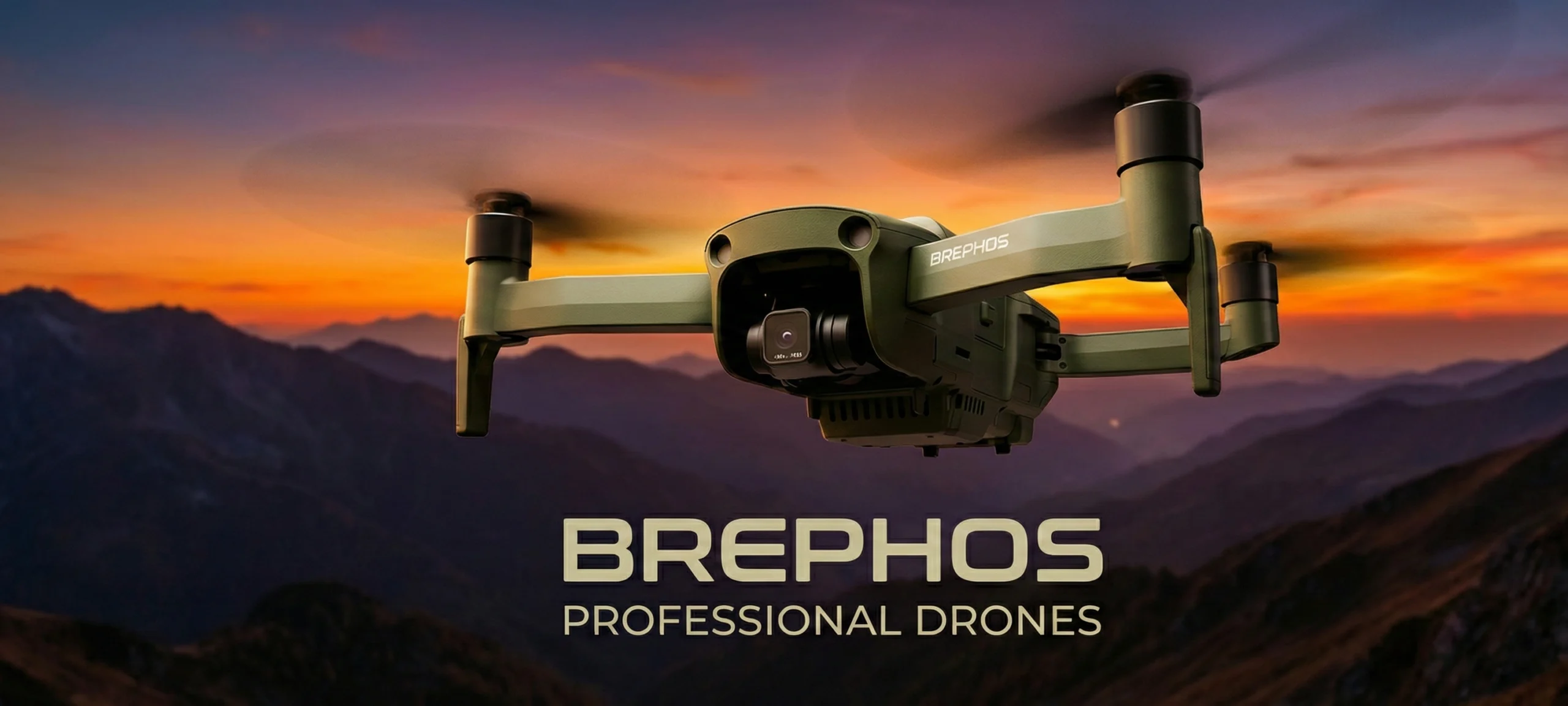
The IZI Brephos drone has become a particularly interesting case study. Positioned as a compact, performance-oriented camera drone aimed at creators and hobbyists, it sits in a segment that is highly competitive yet sensitive to price shifts.
So what is happening with IZI Brephos pricing in 2026? Are we seeing stabilization, fluctuation, or an upcoming shift? More importantly, should buyers wait or act now?
This article breaks down current pricing trends, the economic and technological factors shaping them, and what informed buyers should expect in the coming months.
Understanding the Positioning of IZI Brephos
Before discussing price trends, we need to clarify what category the Brephos belongs to.
The IZI Brephos drone is not positioned as an ultra-premium cinematic drone. Nor is it an ultra-budget entry toy drone. It sits in that fast-growing middle segment where buyers expect true 4K-level performance, reliable stabilization, intelligent flight modes, and compact portability without spending flagship-level money.
In 2026, this mid-tier category has become the most competitive part of the drone market. Buyers want value, not just features. They want something serious enough for YouTube and travel filmmaking, yet affordable enough to justify as a hobby or side-project investment.
That positioning directly influences how the price behaves over time.
2026 Drone Market Landscape: Why Pricing Is Under Pressure
The global drone market has matured significantly over the past few years. Premium brands continue to innovate aggressively, while emerging brands focus on cost optimization and accessibility.
The strongest competitive force in this space remains DJI, whose pricing strategies often influence the entire industry. When DJI adjusts pricing on its compact drones, mid-tier competitors feel the ripple effect almost immediately.
However, 2026 has introduced additional variables:
- Component cost stabilization after earlier semiconductor shortages
- More localized manufacturing and supply chain diversification
- Increased demand from content creators and small businesses
- Regulatory clarity in several regions
These factors create a more predictable pricing environment compared to previous volatile years. For IZI Brephos, this means pricing movements are more strategic than reactive.
IZI Brephos Launch Price vs Current Market Price
Like most technology products, the Brephos likely entered the market at a launch price reflecting R&D costs, early adopter demand, and limited initial supply.
Over time, pricing typically follows one of three patterns:
- Gradual decline as production scales
- Stable pricing with bundled offers
- Minor fluctuations tied to seasonal sales
In 2026, we are seeing less dramatic price drops in the mid-tier drone segment compared to smartphones or laptops. Why? Because drones are more specialized products with tighter margins.
Instead of sharp discounts, brands often offer bundled accessories, extra batteries, or limited-time promotions. This preserves brand value while giving buyers added utility.
For IZI Brephos, this suggests that dramatic permanent price cuts are unlikely unless a next-generation successor is imminent.
Key Factors Influencing IZI Brephos Price Trends
1. Component Costs and Chipsets
Drones rely on multiple advanced components: flight controllers, GPS modules, camera sensors, and image processors. Semiconductor supply chain recovery has stabilized production costs compared to earlier years.
If component prices remain steady, Brephos drone pricing should remain relatively stable as well. However, any upgrade in camera sensor or processing hardware could introduce pricing adjustments.
2. Battery Technology
Lithium polymer battery pricing plays a crucial role in drone manufacturing. Improvements in energy density without significant cost increases could allow future Brephos revisions to enhance flight time without raising prices.
If battery costs rise due to raw material shifts, slight price adjustments may follow.
3. Competitive Pressure
Whenever DJI introduces a new compact model at aggressive pricing, competitors must respond. IZI’s strategy historically leans toward delivering balanced value rather than engaging in direct price wars.
If a major competitor launches a similar-spec drone at lower pricing, temporary discounts on Brephos are possible.
4. Currency and Import Dynamics
For regions dependent on imported components, exchange rate fluctuations can impact retail pricing. In 2026, more brands are localizing assembly to mitigate this risk.
IZI’s pricing stability will partially depend on how effectively it manages these currency variables.
Seasonal Price Behavior in 2026
Technology pricing often follows seasonal patterns:
- Festival and holiday sales
- Year-end clearance cycles
- New model announcement periods
For Brephos drone buyers, the best discounts typically align with major online sale events or pre-launch speculation about an updated model.
However, in 2026, heavy price slashing is less common. Instead, brands add value through bundles. Extra batteries and carrying cases often deliver more practical savings than small price reductions.
Is a Brephos 2 on the Horizon?
One of the most important questions influencing price trends is whether a successor model is approaching.
If IZI announces or hints at a Brephos 2, we can expect the original model to see controlled price reductions to clear inventory. However, if no immediate successor is planned, pricing stability becomes more likely.
In 2026, mid-cycle refreshes are more common than full redesigns. This means firmware improvements and minor hardware tweaks rather than drastic generational shifts.
Unless a major redesign is imminent, significant price drops are unlikely.
Value Retention: A Hidden Indicator
Another useful metric in analyzing price trends is resale value.
Drones that hold resale value well typically maintain retail price stability. If second-hand Brephos units retain strong demand, it indicates market confidence.
A stable resale ecosystem reduces pressure on brands to slash retail pricing aggressively.
Consumer Psychology in 2026
Buyers today are less impulsive. They compare extensively, read long-form reviews, and wait strategically.
This behavior influences pricing strategy. Brands cannot rely on artificial scarcity or hype-driven premiums. Instead, they must justify pricing through consistent performance and reliability.
The Brephos drone benefits from being positioned as a practical tool rather than a hype-driven flagship. That positioning supports steadier pricing over time.
What Buyers Should Expect Next
Based on current trends, here is what seems most plausible for the IZI Brephos in 2026:
- Gradual minor price adjustments rather than dramatic cuts
- Accessory bundles during major sale periods
- Firmware updates enhancing existing hardware value
- Possible refreshed variant late in the year
If you are waiting for a 30 percent permanent price drop, that scenario appears unlikely unless a next-generation model is officially announced.
Should You Buy Now or Wait?
Timing depends on your purpose.
If you need a drone for travel, content creation, or commercial use in the near future, waiting months for speculative discounts may not make sense.
However, if your purchase is purely exploratory and non-urgent, monitoring major sale events could yield small savings or bundle benefits.
In 2026, value is less about chasing the lowest number and more about buying at the right utility moment.
The Bigger Picture: Mid-Tier Drones in 2026
The mid-tier drone segment has matured significantly. Cameras are sharper, stabilization is stronger, and flight intelligence is smarter than ever before.
Brands like IZI have carved out space by focusing on accessible performance rather than headline-grabbing extremes.
As technology stabilizes, pricing becomes less volatile. This benefits consumers seeking predictable value.
Final Thoughts: What’s Coming Next?
The IZI Brephos appears positioned for pricing stability in 2026. Incremental shifts are possible, particularly during sale cycles or if a successor model approaches.
The broader drone market is transitioning from rapid fluctuation to measured evolution. For buyers, this means fewer dramatic price crashes but more refined product offerings.
If Brephos drone continues delivering balanced performance and reliability, its pricing strategy will likely remain steady, reflecting confidence rather than discount-driven urgency.
Frequently Asked Questions
1. Has the IZI Brephos price dropped significantly in 2026?
Price shifts have been moderate rather than dramatic, with more focus on bundles than permanent cuts.
2. Will there be a Brephos 2 soon?
There is no confirmed announcement. A successor could influence pricing, but no major signs currently suggest an immediate replacement.
3. Is it better to wait for festive sales?
Festive periods often bring accessory bundles or small discounts, making them good timing opportunities.
4. Does competition affect Brephos pricing?
Yes. Major releases from competitors can influence temporary promotional strategies.
5. Are drone prices expected to fall overall in 2026?
Large-scale price crashes are unlikely. The market appears more stable compared to previous years.
6. Is Brephos a good long-term investment?
For hobbyists and content creators seeking mid-tier performance, it offers balanced value, especially if purchased during promotional periods.