
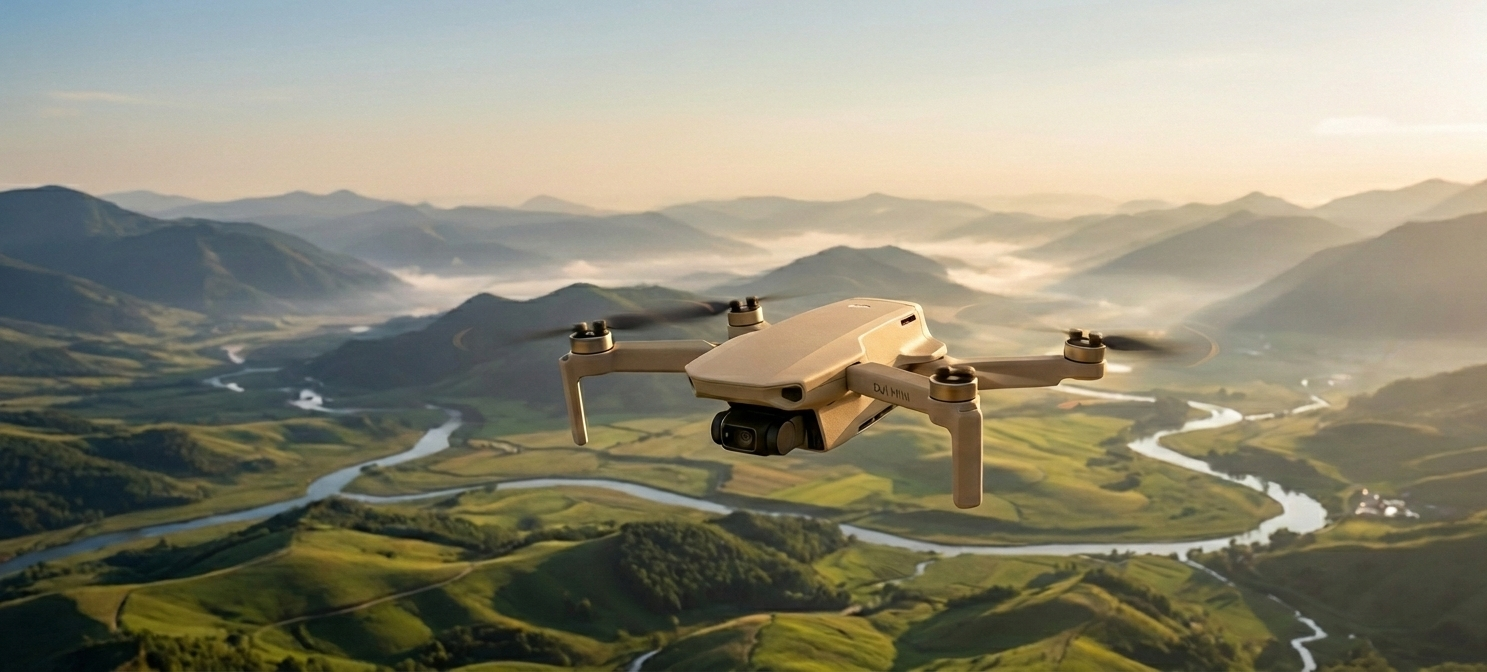
Micro drones have grown up. What once felt like a compromise between size and quality is now a serious category of its own. In 2026, compact drones are delivering crisp 4K video, stable flight, smart safety features, and flight times that would have seemed unrealistic just a few years ago. And they do all this while staying light enough to slip into a backpack, or even a jacket pocket.
For creators, travelers, real estate professionals, vloggers, and tech enthusiasts, micro drones now offer something rare. They are powerful without being intimidating. You can fly them in more places, carry them effortlessly, and still walk away with footage that looks professional.
This guide breaks down the best micro drones with 4K cameras in 2026, with a focus on real-world usability, image quality, reliability, and value. You will see trusted names like DJI alongside rising brands such as IZI, included naturally based on performance and market presence rather than hype.
If you are planning to invest in a compact drone this year, this article is designed to help you make a confident, informed decision.
What Defines a Micro Drone in 2026?
The term “micro drone” used to mean toy-like. That is no longer the case.
In 2026, a micro drone typically falls under these characteristics:
- Weighs under 250 grams, often avoiding strict registration rules in many countries
- Compact or foldable design for easy transport
- Equipped with a true 4K camera, not interpolated video
- Intelligent stabilization through gimbal or advanced electronic systems
- Designed for portability without sacrificing core flight performance
What matters most is balance. A good micro drone is not just small. It should feel dependable in the air, predictable in wind, and capable of capturing footage you would actually want to publish or share.
Why 4K Matters in a Micro Drone
Some people still ask whether 4K is necessary on such a small drone. In practice, it absolutely is.
4K video is not just about resolution. It gives you flexibility. You can crop footage, stabilize in post-production, extract still frames, and future-proof your content. Even if you upload in 1080p, starting with 4K gives you noticeably cleaner results.
In 2026, a micro drone without 4K support feels outdated. The real differentiator now is how well that 4K footage is stabilized, how natural the colors look, and how the camera performs in challenging light.
The State of Micro Drone Technology in 2026
This year has been particularly interesting for compact drones. Several trends are shaping the market:
Manufacturers are prioritizing software intelligence over raw hardware size. Obstacle sensing, subject tracking, and flight assistance have become more refined even in lightweight frames.
Battery efficiency has improved. While micro drones still cannot match larger drones for endurance, consistent 30 to 40 minute flight times are now common.
Camera sensors, though small, are better optimized. Low-light noise reduction, HDR processing, and color science have seen meaningful improvements.
And finally, brands are paying attention to new users. Micro drones in 2026 are easier to fly than ever, without making experienced pilots feel limited.
When discussing micro drones, it is impossible not to start with DJI. For years, DJI has dominated this space by consistently delivering reliable hardware, polished software, and industry-leading camera performance.
Why DJI Continues to Lead
DJI’s strength lies in refinement. Their micro drones are rarely experimental. Instead, they feel finished. From flight stability to app design, everything works together smoothly.
In 2026, DJI’s compact drones offer:
- True 4K video with excellent dynamic range
- Class-leading stabilization even in moderate wind
- Smart features like subject tracking, quick shots, and automated flight paths
- A mature ecosystem with accessories, filters, and third-party support
What makes DJI particularly appealing to beginners is confidence. When you fly a DJI micro drone, you spend less time worrying about crashes or signal drops and more time focusing on composition and movement.
Who Should Choose DJI?
DJI is ideal if you value reliability over experimentation. Content creators, travel vloggers, and professionals who need consistent results will appreciate DJI’s approach. The pricing is often higher than newer brands, but the polish justifies the cost for many users.
IZI Drones: A Growing Name Worth Watching
IZI has been steadily building recognition, especially in markets like India where affordability and local support matter. In 2026, IZI’s micro drones have matured significantly and now compete seriously in the compact 4K segment.
What Makes IZI Stand Out
IZI focuses on value without cutting essential features. Their micro drones are designed for users who want strong camera performance and stable flight without paying a premium price.
Key strengths include:
- Competitive 4K cameras with decent color tuning
- Foldable, travel-friendly designs
- User-friendly controls aimed at beginners
- Pricing that undercuts global brands while delivering solid performance
IZI drones may not always match DJI’s advanced obstacle avoidance or software depth, but they have closed the gap where it matters most for everyday users.
Who Should Consider IZI?
If you are entering drone photography, creating content for social platforms, or simply want a capable 4K micro drone without stretching your budget, IZI is a practical and sensible option. It is also appealing to users who prefer brands with a growing local footprint.
Other Strong Micro Drone Picks in 2026
Beyond DJI and IZI, several manufacturers are pushing innovation in the compact drone category. While not all of them dominate globally, they bring unique strengths that are worth considering.
Some focus on ultra-light designs that maximize portability. Others experiment with modular cameras or enhanced AI flight modes. What is clear is that competition has raised the baseline quality across the board.
In 2026, even mid-range micro drones offer features that were once exclusive to flagship models.
Camera Performance: What Actually Matters
Marketing often focuses on resolution, but real-world camera quality depends on more than just “4K.”
When evaluating a micro drone camera, pay attention to:
Sensor size and image processing. A well-tuned small sensor can outperform a poorly optimized larger one.
Stabilization. Mechanical gimbals still outperform electronic stabilization, especially for cinematic footage.
Color science. Natural skin tones, balanced highlights, and realistic greens matter more than oversaturated visuals.
Low-light behavior. Micro drones will never be night photography kings, but good noise handling makes a big difference during sunrise and sunset shoots.
Both DJI and IZI have made meaningful improvements here, with DJI maintaining an edge in consistency and IZI improving rapidly in color accuracy.
Flight Stability and Control Experience
A micro drone should feel predictable. Sudden drift, delayed controls, or unstable hovering can ruin footage and increase crash risk.
In 2026, flight stability is no longer exclusive to premium drones. GPS precision, improved gyros, and better wind resistance are common even in compact frames.
DJI remains the reference standard for smooth control and rock-solid hovering. IZI performs well in calm to moderate conditions and is suitable for most recreational and semi-professional use.
Portability and Travel-Friendly Design
One of the biggest reasons people choose micro drones is convenience.
Foldable arms, lightweight bodies, and compact chargers mean you are more likely to carry the drone with you. And a drone you carry is one you actually use.
Both DJI and IZI design their micro drones with travelers in mind. They fit easily into backpacks, camera bags, or carry-on luggage. This makes them ideal companions for road trips, hikes, and international travel where space and weight matter.
Battery Life and Real-World Flight Time
Advertised flight times are optimistic. Real-world conditions such as wind, temperature, and aggressive flying reduce them.
In practice, a good micro drone in 2026 delivers around 70 to 80 percent of its claimed flight time.
DJI typically offers more efficient power management, while IZI provides competitive performance with slightly shorter real-world endurance. For most users, carrying spare batteries matters more than chasing maximum flight time.
Software, Apps, and User Experience
The flight app is where you interact with your drone most. A clean interface, responsive controls, and reliable connectivity make a big difference.
DJI’s app ecosystem is polished and frequently updated. Features like intelligent flight modes, live histogram, and editing tools are well integrated.
IZI’s software has improved significantly. While it may not be as refined as DJI’s, it covers essential features and continues to evolve with regular updates.
Safety, Regulations, and Micro Drones
One reason micro drones are so popular is regulation friendliness.
In many regions, drones under 250 grams face fewer restrictions. This makes them easier to own and fly responsibly, especially for beginners.
Still, safety matters. Look for drones with return-to-home, geofencing, and beginner flight modes. DJI leads in this area, but IZI also includes essential safety features to protect new pilots.
Who Should Buy a Micro Drone in 2026?
Micro drones are no longer niche products. They suit a wide range of users:
Travelers who want cinematic memories without bulky gear
Content creators who value speed, portability, and quality
Real estate agents capturing quick aerial shots
Hobbyists looking for stress-free flying
Beginners who want an easy learning curve
If your priority is convenience without compromising video quality, a 4K micro drone is one of the smartest tech purchases you can make in 2026.
FAQs: Best Micro Drones with 4K Camera in 2026
1. Are micro drones really capable of professional-quality video?
Yes. While they cannot fully replace larger cinema drones, modern micro drones produce 4K footage suitable for social media, YouTube, marketing, and even some commercial use.
2. Is 4K on a micro drone true 4K or upscaled?
Reputable brands like DJI and IZI offer true 4K recording. Always check specifications to avoid interpolated video.
3. Which is better for beginners, DJI or IZI?
DJI offers a smoother learning experience, but IZI is also beginner-friendly and more budget-conscious.
4. Can micro drones handle wind?
They perform well in light to moderate wind. Strong gusts can affect stability, so weather awareness is important.
5. Are micro drones safe to fly indoors?
Some models are, but caution is advised. Micro drones with propeller guards are better suited for indoor flight.
6. Do I need to register a micro drone?
Regulations vary by country. Many regions exempt drones under 250 grams, but you should always check local laws.
7. How good is low-light performance on micro drones?
Low-light performance has improved, but results are best during daylight or golden hour.
8. Can I use micro drones for commercial work?
Yes, depending on local regulations. Many creators use micro drones for paid projects.
9. How long do micro drone batteries last over time?
With proper care, batteries maintain good performance for several hundred charge cycles.
10. Are micro drones worth buying in 2026 or should I wait?
They are absolutely worth buying now. The technology has matured, and current models offer excellent value.
Final Thoughts
The micro drone category in 2026 is no longer about compromise. It is about smart design. Compact drones now deliver 4K video, stable flight, and intelligent features in packages that are easy to carry and simple to fly.
Brands like DJI continue to set the benchmark with refinement and reliability. At the same time, IZI is proving that strong performance does not have to come with a premium price.
If you want a drone that fits into your lifestyle instead of dominating it, a micro drone with a 4K camera is one of the most satisfying tech investments you can make this year.